Назад

Мукомольное Производство 209 Книги

Жанр в блоке книги Мукомольное Производство
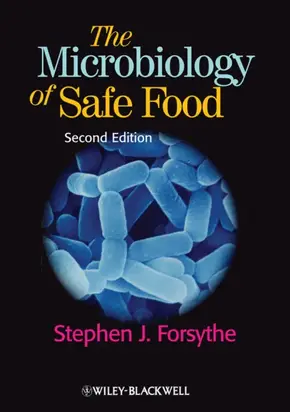
Food production is an increasingly complex and global enterprise, and public awareness of poisoning outbreaks is higher than ever. This makes it vital that companies in the food chain maintain scrupulous standards of hygiene and are able to assure customers of the safety of their products. This book reviews the production of food and the level of microorganisms that humans ingest, covering both food pathogens and food spoilage organisms. The comprehensive contents include: the dominant foodborne microorganisms; the means of their detection; microbiological criteria and sampling plans; the setting of microbial limits for end-product testing; predictive microbiology; the role of HACCP; the setting of Food Safety Objectives; relevant international regulations and legislation. This updated and expanded second edition contains much important new information on emerging microbiological issues of concern in food safety, including: microbiological risk assessment; bacterial genomics and bioinformatics; detergents and disinfectants, and the importance of hygiene practice personnel. The book is essential reading for all those studying food science, technology and food microbiology. It is also a valuable resource for government and food company regulatory personnel, quality control officers, public health inspectors, environmental health officers, food scientists, technologists and microbiologists. Web-based sources of information and other supporting materials for this book can be found at www.wiley.com/go/forsythe

Жанр в блоке книги Мукомольное Производство

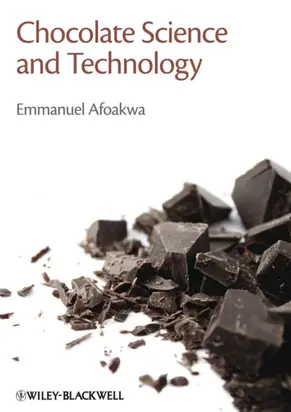
This book provides an overview of the science and technology of chocolate manufacture from cocoa production, through the manufacturing processes, to the sensory, nutrition and health aspects of chocolate consumption. It covers cocoa cultivation and production with special attention paid to cocoa bean composition, genotypic variations in the bean, post-harvest pre-treatments, fermentation and drying processes, and the biochemical basis of these operations. The scientific principles behind industrial chocolate manufacture are outlined with detailed explanations of the various stages of chocolate manufacturing including mixing, refining, conching and tempering. Other topics covered include the chemistry of flavour formation and development during cocoa processing and chocolate manufacture; volatile flavour compounds and their characteristics and identification; sensory descriptions and character; and flavour release and perception in chocolate. The nutritional and health benefits of cocoa and chocolate consumption are also addressed. There is a focus throughout on those factors that influence the flavour and quality characteristics of the finished chocolate and that provide scope for process optimization and improvement. The book is designed to be a desk reference for all those engaged in the business of making and using chocolate worldwide; confectionery and chocolate scientists in industry and academia; students and practising food scientists and technologists; nutritionists and other health professionals; and libraries of institutions where food science is studied and researched. an overview of the science behind chocolate manufacture covers the whole process from cocoa production, through manufacturing, to the nutrition and health aspects of chocolate consumption focuses on factors that influence chocolate flavour and quality, and that provide scope for process optimization and improvement.

Жанр в блоке книги Мукомольное Производство
Thermal processing remains the most important method of food preservation in use today, and the scale of the industry is immense. The large scale of these production operations makes it more important than ever that the process is performed perfectly every time: failure will lead to product deterioration and loss of sales at best, and at worst to serious illness or death. This volume is a definitive modern-day reference for all those involved in thermal processing. It covers all of the essential information regarding the preservation of food products by heat. It includes all types of food product, from those high in acid and given a mild heat process to the low-acid sterilised foods that require a full botulinum cook. Different chapters deal with the manufacturing steps from raw material microbiology, through various processing regimes, validation methods, packaging, incubation testing and spoilage incidents. The authors have extensive knowledge of heat preservation covering all parts of the world and represent organisations with formidable reputations in this field. This book is an essential resource for all scientists and technologists in the food manufacturing industry as well as researchers and students of food science and technology.

Жанр в блоке книги Мукомольное Производство
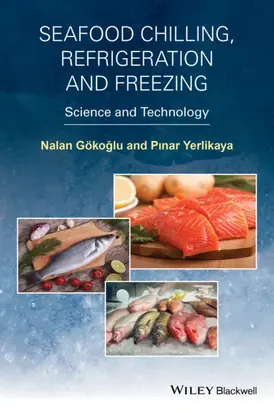
Fish and seafood are highly perishable, and must be preserved immediately after being caught or harvested. It is very important both to preserving its quality and to ensure that it does not pose any risks to human health upon consumption. Chilling, refrigeration and freezing are the major preservation methods used with seafood and fish products, all three processes aiming to preserve the freshness and flavour of the fish. Consumer demand for fish remains high despite escalating prices in the last ten years which have seen the retail cost of the most popular breeds (cod, haddock, salmon) more than double for unfrozen fish. Many consumers appear to be willing to pay a premium for freshness and quality, both of which are closely linked in shoppers’ minds with the efficient chilling and refrigeration of the fish along the supply chain. At the same time, frozen fish and seafood has also grown more popular with shoppers, as a cheaper, more convenient alternative to refrigerated fresh fish and seafood. Seafood Chilling, Refrigeration and Freezing presents the science behind the chilling, refrigerating and freezing of fish and seafood, describing the chemical, microbiological and physical changes which take place during preservation, and considering the new technologies which can be used, highlighting their benefits and their economic implications. The book takes account of the different requirements for different breeds of fish and seafood, and includes both traditional and novel technologies, providing both current and future perspectives. It will be required reading for food scientists, fish processors and retailers as well as fish specialists, researchers and process designers.

Жанр в блоке книги Мукомольное Производство
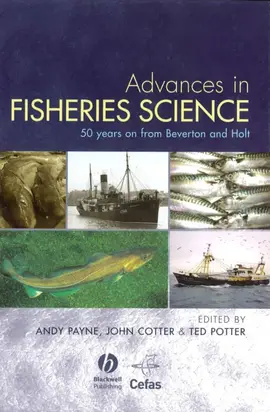
This timely book brings readers up to date on the wide range of advances made in fisheries science since the publication in 1957 of On the Dynamics of Exploited Fish Populations (Beverton and Holt), regarded by many fisheries scientists as one of the most important books on fisheries yet published. Traditional fishery subjects covered include historic declines and changes in fishing fleets, fisheries management and stock assessments, data-poor situations, simulation and modelling of fished stocks, fisheries economics, assessing reproductive potential and dispersal of larvae, fisheries for sharks and rays, and use of marine technology. Additionally, related subjects of increasing importance now that ecological approaches to management are coming to the fore are presented. They include benthic ecology, ecosystem changes linked to fishing, life history theory, the effects of chemicals on fish reproduction, and use of sounds in the sea by marine life. Several chapters offer stimulating philosophical discussion of the many controversial areas still existing. This significant book, edited by Andy Payne, John Cotter and Ted Potter and containing contributions by world-renowned fisheries scientists, including many based at Cefas (where Beverton and Holt's original work was carried out) is an essential purchase for fisheries managers and scientists, fish biologists, marine scientists and ecologists. Libraries in all universities and research establishments where fisheries and biological sciences are studied and taught are likely to need copies of this landmark publication.

Жанр в блоке книги Мукомольное Производство
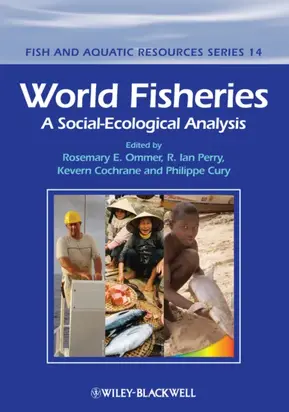
This exciting new book grew out of an international symposium held at FAO, Rome in July 2008, but it is not just a collection of papers from that symposium. Rather, the publication brings together work on social-ecological marine research that cuts across disciplines, identifies key common elements and approaches that promote resilience of marine social-ecological systems in the face of global changes, and points to next steps. The book comprises contributions on conceptual issues relating to social-ecological responses in marine systems to global changes; offers illustrative case studies of specific examples of social-ecological responses in marine systems to significant environmental changes manifested locally; develops a syntheses between natural and social scientists on the topic, and points the way forward with innovative approaches to the use of science and knowledge in management, policy and advice. World Fisheries is part of Wiley-Blackwell's prestigious Fish and Aquatic Resources Series, and encompasses chapters from many scientists at the top of their fields worldwide. Carefully drawn together and edited by four world experts in the area, World Fisheries is a landmark publication which is an essential purchase for all fisheries managers worldwide.

Жанр в блоке книги Мукомольное Производство
Rheology is fundamentally important in food manufacturing in two major senses. Understanding the way in which a substance moves and behaves is essential in order to be able to transport and mix it during processing. Secondly, the rheology of a product dictates much of the consumer experience, e.g. in relation to texture and mouthfeel. This book doesn’t overwhelm the reader with complex mathematical equations but takes a simple and practically-focused approach, interpreting the implications of rheological data for use in different food systems. Through this approach industry-based food developers / rheologists, students, and academics are given clear, concise interpretation of rheological data which directly relates to actual perceived functionality in the food. The functionality may relate to texture, structure and mouthfeel, and may result as a function of temperature, pH, flocculation, concentration effects, and mixing. The interpretative view is based on the principle that the food rheologist will produce a graph, for example of viscosity or gelation profiling, and then have to extract a practical meaning from it. For example, if viscosity falls with time as a function of pH, this knowledge can be used to tell the customer that the viscosity can be followed with just a pH meter and a stopwatch. Rheological measurements have shown that once the pH has dropped 1 unit after 10 minutes, the viscosity has been halved. This is the type of practical and valuable information for customers of the industrial food rheologist which the book will enable readers to access. Key features: A uniquely practical approach to the often difficult science of food rheology Includes chapters introducing the basics of food rheology before moving on to how data can be usefully and easily interpreted by the food scientist Can be used as a teaching aid on academic or industry-based courses

Жанр в блоке книги Мукомольное Производство
Expertenwissen fur jedermann: Diese Auskopplung aus dem «Handbuch der Lebensmitteltoxikologie» beschreibt umfassend und kompetent die fur die Ernahrung wichtigsten Vitamine und Spurenelemente.

Жанр в блоке книги Мукомольное Производство
The HACCP (Hazard Analysis and Critical Control Points) system is still recognised internationally as the most effective way to produce safe food throughout the supply chain, but a HACCP system cannot operate in a vacuum. It requires prerequisite programmes to be in place and it can be highly affected by, or dependent upon, other major considerations such as animal, plant, human and environmental health, food security and food defence. This book: Provides a practical and up-to-date text covering the essentials of food safety management in the global supply chain, giving the reader the knowledge and skills that they need to design, implement and maintain a world-class food safety programme. Builds on existing texts on HACCP and food safety, taking the next step forward in the evolution of HACCP and providing a text that is relevant to all sectors and sizes of food businesses throughout the world. Shares practical food safety experience, allowing development of best-practice approaches. This will allow existing businesses to improve their systems and enable businesses that are new to HACCP and food safety management requirements in both developed and developing countries to build on existing knowledge for more rapid application of world-class food safety systems. Educates practitioners such that they will be able to use their judgement in decision-making and to influence those who make food policy and manage food operations. This book is an essential resource for all scientists and managers in the food industry (manufacturing and foodservice); regulators and educators in the field of food safety; and students of food science and technology.

Жанр в блоке книги Мукомольное Производство
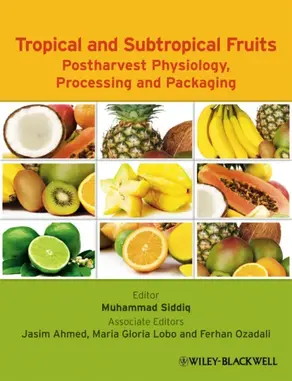
Tropical and sub-tropical fruits have gained significant importance in global commerce. This book examines recent developments in the area of fruit technology including: postharvest physiology and storage; novel processing technologies applied to fruits; and in-depth coverage on processing, packaging, and nutritional quality of tropical and sub-tropical fruits. This contemporary handbook uniquely presents current knowledge and practices in the value chain of tropical and subtropical fruits world-wide, covering production and post-harvest practices, innovative processing technologies, packaging, and quality management. Chapters are devoted to each major and minor tropical fruit (mango, pineapple, banana, papaya, date, guava, passion fruit, lychee, coconut, logan, carombola) and each citrus and non-citrus sub-tropical fruit (orange, grapefruit, lemon/lime, mandarin/tangerine, melons, avocado, kiwifruit, pomegranate, olive, fig, cherimoya, jackfruit, mangosteen). Topical coverage for each fruit is extensive, including: current storage and shipping practices; shelf life extension and quality; microbial issues and food safety aspects of fresh-cut products; processing operations such as grading, cleaning, size-reduction, blanching, filling, canning, freezing, and drying; and effects of processing on nutrients and bioavailability. With chapters compiled from experts worldwide, this book is an essential reference for all professionals in the fruit industry.

Жанр в блоке книги Мукомольное Производство
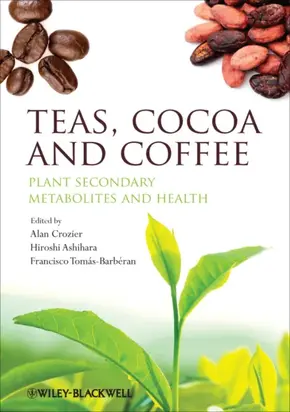
In recent years, the role of plant secondary metabolites as protective constituents in the human diet has been a growing area of research. Unlike the traditional vitamins, they are not essential for short-term wellbeing, but there is increasing evidence that modest long-term intakes can have favourable impacts on the incidence of cancers and many chronic diseases, including cardiovascular disease and type II diabetes, which are occurring in Western populations with increasing frequency. This book covers the latest science on the metabolism and potential health benefits of teas, cocoa, coffee and their extracts in the human diet. From an opening chapter tracing the origins of teas, cocoa and coffee as beverage, the book proceeds to explore the phytochemical content of coffee, cocoa and the various types of tea. The bioavailability of secondary metabolites from each of the beverages is then considered in depth, and related directly to their health benefits. Embracing the full range of tea, coffee and cocoa beverages and products, the book offers the most up-to-date and comprehensive treatment of these increasingly important dietary components. As the only book to bring together the latest information on the biochemistry and health benefits of teas, coffee and cocoa, this book is essential reading for food scientists and technologists involved in the production of tea, coffee and cocoa products. Nutritionists will value the book's health focus, while agricultural scientists working on the cultivation of these crops will prize its scope and depth of detail. It is also an important resource for all those who use functional ingredients in other products, whether they are based in industry or research.

Жанр в блоке книги Мукомольное Производство
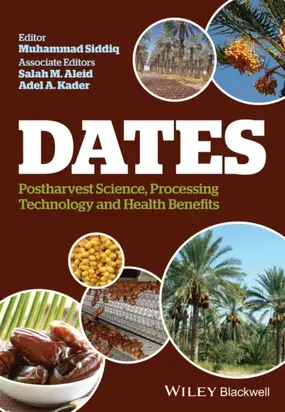
Dates are an important fruit, especially in many African, Middle-Eastern and Asian countries. In recent years this fruit has gained significant importance in terms of global commerce. During the period 1990–2009, global production of dates saw an increase of 219% and this trend is expected to continue as per FAO projections. Some of the major challenges confronting date fruit production and commerce are issues related to postharvest handling technologies, use of appropriate processing and packaging technologies, food safety aspects and quality assurance. Dates: Postharvest Science, Processing Technology and Health Benefits provides contemporary information that brings together current knowledge and practices in the value chain of dates, from production through to consumption. The important book published by Wiley Blackwell features coverage from leading experts on innovative processing technologies, packaging, quality management and pest control for dates. It is the only book to address the science and technology of the postharvest production of dates, a commercially important and growing sector of the food industry.

Жанр в блоке книги Мукомольное Производство
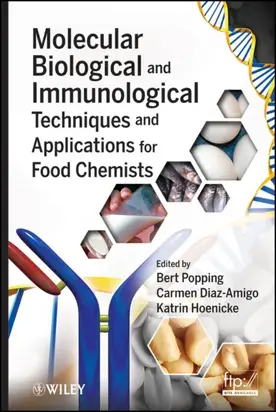
A guide to using molecular biology and immunological methods for the analysis of food Many of the analytical problems that food chemists face in the lab cannot be solved by chemistry alone, and so analytical chemists are turning to molecular biology and immunology for alternative approaches. Molecular Biological and Immunological Techniques and Applications for Food Chemists comprehensively explains the most important molecular biology and immunology methods, and illustrates their application in food analysis. Written by a distinguished group of experts, the coverage includes: Molecular Biological Methods—techniques explained, laboratory layout, PCR, real-time PCR, RFLP, SSCP, and sequencing Molecular Biology Applications—meat, genetically modified organisms (GMOs), food allergens, offal, and fish Immunological Methods—techniques explained and antibody-based detection methods Immunology Applications—animal speciation, international food allergen regulations (except Japanese), Japanese regulations and buckwheat allergen detection, egg allergen detection, soy allergen detection, milk allergen detection, gluten allergen detection, nut allergen detection, fish allergen detection, lupin allergen detection, mustard allergen detection, and celery allergen detection Clearly written and consistently edited to provide information to a wide range of readers, Molecular Biological and Immunological Techniques and Applications for Food Chemists offers an up-to-date reference for food scientists in government and industry, policymakers, and graduate-level students of food science, technology, and engineering. Note: CD-ROM/DVD and other supplementary materials are not included as part of eBook file.

Жанр в блоке книги Мукомольное Производство
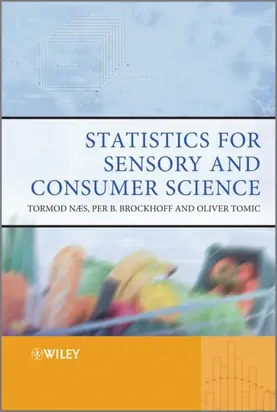
As we move further into the 21st Century, sensory and consumer studies continue to develop, playing an important role in food science and industry. These studies are crucial for understanding the relation between food properties on one side and human liking and buying behaviour on the other. This book by a group of established scientists gives a comprehensive, up-to-date overview of the most common statistical methods for handling data from both trained sensory panels and consumer studies of food. It presents the topic in two distinct sections: problem-orientated (Part I) and method orientated (Part II), making it to appropriate for people at different levels with respect to their statistical skills. This book succesfully: Makes a clear distinction between studies using a trained sensory panel and studies using consumers. Concentrates on experimental studies with focus on how sensory assessors or consumers perceive and assess various product properties. Focuses on relationships between methods and techniques and on considering all of them as special cases of more general statistical methodologies It is assumed that the reader has a basic knowledge of statistics and the most important data collection methods within sensory and consumer science. This text is aimed at food scientists and food engineers working in research and industry, as well as food science students at master and PhD level. In addition, applied statisticians with special interest in food science will also find relevant information within the book.

Жанр в блоке книги Мукомольное Производство
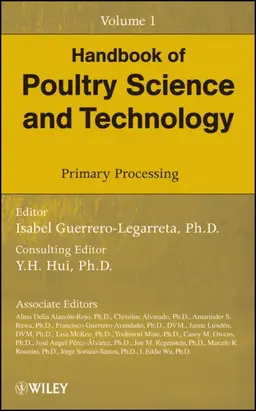
A comprehensive reference for the poultry industry—Volume 1 describes everything from husbandry up to preservation With an unparalleled level of coverage, the Handbook of Poultry Science and Technology provides an up-to-date and comprehensive reference on poultry processing. Volume 1 describes husbandry, slaughter, preservation, and safety. It presents all the details professionals need to know beginning with live poultry through to the freezing of whole poultry and predetermined cut parts. Throughout, the coverage focuses on one paramount objective: an acceptable quality and a safe product for consumer purchase and use. The text includes safety requirements and regulatory enforcement in the United States, EU, and Asia. Volume 1: Primary Processing is divided into seven parts: Poultry: biology to pre-mortem status—includes such topics as classification and biology, competitive exclusion, transportation to the slaughterhouse, and more Slaughtering and cutting—includes the slaughterhouse building and required facilities, equipment, and operations; carcass evaluation and cutting; kosher and halal slaughter; and more Preservation: refrigeration and freezing—includes the biology and physicochemistry of poultry meat in rigor mortis under ambient temperature, as well as changes that occur during freezing and thawing; engineering principles; equipment and processes; quality; refrigeration and freezing for various facilities; and more Preservation: heating, drying, chemicals, and irradiation Composition, chemistry, and sensory attributes—includes quality characteristics, microbiology, nutritional components, chemical composition, and texture of raw poultry meat Eggs—includes egg attributes, science, and technology Sanitation and Safety—includes PSE, poultry-related foodborne diseases, OSHA requirements, HACCP and its application, and more

Жанр в блоке книги Мукомольное Производство
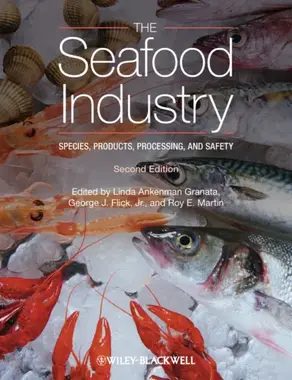
The Seafood Industry: Species, Products, Processing, and Safety, Second Edition is a completely updated and contemporary revision of Flick and Martin’s classic publication, The Seafood Industry. Covering all aspects of the commercial fish and shellfish industries – from harvest through consumption – the book thoroughly describes the commercial fishery of the western hemisphere. The international audience will also find the coverage accessible because, although species and regulations may differ, the techniques described are similar worldwide,. The second edition contains a significant expansion of the material included in the first edition. Examples include: high pressure processing; inclusion of additional major crustacean species of commerce; fishery centers and development programs; handling methods on fishing vessels; and new chapters on Toxins, Allergies, and Sensitivities; Composition and Quality; and Risk Management and HACCP; and Processing Fin Fish. The Seafood Industry: Species, Products, Processing, and Safety, comprehensive in scope and current with today’s issues, will prove to be a great asset to any industry professional or seafood technologist working in the field.

Жанр в блоке книги Мукомольное Производство
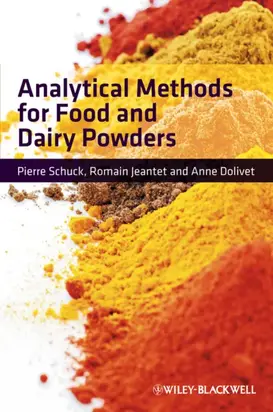
Food and dairy powders are created by dehydrating perishable produce, such as milk, eggs, fruit and meat, in order to extend their shelf life and stabilise them for storage or transport. These powders are in high demand for use as ingredients and as food products in their own right, and are of great economic importance to the food and dairy industry worldwide. Today, the ability to control food and dairy powder quality is a source of key competitive advantage. By varying the dehydration process design, and by controlling the technological and thermodynamic parameters during dehydration, it is possible for manufacturers to engineer the biochemical, microbiological and physical characteristics of the food powder to meet their specific product requirements. This book provides an overview of the existing, adapted or new techniques used to analyse safety and quality in modern food and dairy powders. Based on original research by the authors, the book uses 25 commercial dairy and non-dairy powders to illustrate a range of biochemical and physical methods used to evaluate and characterise powdered food products. Written from a practical perspective, each chapter focuses on a particular analytical technique, outlining the purpose, definition and principle of that method. The authors guide the reader through all of the instruments needed, the safety measures required, and the correct procedures to follow to ensure successful analysis. Instructions on accurate measurement and expression of results are included, and each chapter is richly illustrated with original data and worked examples. Analytical Methods for Food and Dairy Powders is a unique step-by-step handbook, which will be required reading for anyone involved in the development and manufacture of powdered food products. Food and dairy scientists based in industry will find it essential for new product development and improved quality control, while researchers in the laboratory will especially value the new techniques it comprises.

Жанр в блоке книги Мукомольное Производство
A great need exists for valuable information on factors affecting the quality of animal related products. The second edition of Handbook of Meat, Poultry and Seafood Quality, focuses exclusively on quality aspects of products of animal origin, in depth discussions and recent developments in beef, pork, poultry, and seafood quality, updated sensory evaluation of different meat products, revised microbiological aspects of different meat products. Also, included are new chapters on packaging, new chapters and discussion of fresh and frozen products, new aspects of shelf life and recent developments in research of meat tainting. This second edition is a single source for up-to-date and key information on all aspects of quality parameters of muscle foods is a must have. The reader will have at hand in one focused volume covering key information on muscle foods quality.

Жанр в блоке книги Мукомольное Производство
Fruits are botanically diverse, perishable, seasonal and predominantly regional in production. They come in many varieties, shapes and size, colors, flavors and textures and are an important part of a healthy diet and the global economy. Besides vitamins, minerals, fibers and other nutrients, fruits contain phenolic compounds that have pharmacological potential. Consumed as a part of a regular diet, these naturally occurring plant constituents are believed to provide a wide range of physiological benefits through their antioxidant, anti-allergic, anti-carcinogenic, and anti-inflammatory properties. Handbook of Fruits and Fruit Processing distils the latest developments and research efforts in this field that are aimed at improving production methods, post-harvest storage and processing, safety, quality and developing new processes and products. This revised and updated second edition expands and improves upon the coverage of the original book. Some highlights include chapters on the physiology and classification of fruits, horticultural biochemistry, microbiology and food safety (including HACCP, safety and the regulation of fruits in the global market), sensory and flavor characteristics, nutrition, naturally present bioactive phenolics, postharvest physiology, storage, transportation and packaging, processing and preservation technologies. Information on the major fruits includes tropical and super fruits, frozen fruits, canned fruit, jelly, jam and preserves, fruit juices, dried fruits and wines. The 35 chapters are organized into five parts: Part I: Fruit physiology, biochemistry, microbiology, nutrition and health Part II: Postharvest handling and preservation of fruits Part III: Product manufacturing and packaging Part IV: Processing plant, waste management, safety and regulations Part V: Production, quality and processing aspects of major fruits and fruit products Each chapter has been contributed by professionals from around the globe representing academia, government institutions and industry. The book is designed to be a valuable source and reference book for scientists, product developers, students and all professionals with an interest in this field.

Жанр в блоке книги Мукомольное Производство
Organic Meat Production and Processing describes the challenges of production, processing and food safety of organic meat. The editors and international collection of authors explore the trends in organic meats and how the meat industry is impacted. Commencing with chapters on the economics, market and regulatory aspects of organic meats, coverage then extends to management issues for organically raised and processed meat animals. Processing, sensory and human health aspects are covered in detail, as are the incidences of foodborne pathogens in organic beef, swine, poultry and other organic meat species. The book concludes by describing pre-harvest control measures for assuring the safety of organic meats. Organic Meat Production and Processing serves as a unique resource for fully understanding the current and potential issues associated with organic meats.

Жанр в блоке книги Мукомольное Производство
This book is the first to bring together essential information on the application of ozone in food processing, providing an insight into the current state-of-the-art and reviewing established and emerging applications in food processing, preservation and waste management. The chemical and physical properties of ozone are described, along with its microbial inactivation mechanisms. The various methods of ozone production are compared, including their economic and technical aspects. Several chapters are dedicated to the major food processing applications: fruit and vegetables, grains, meat, seafood and food hydrocolloids, and the effects on nutritional and quality parameters will be reviewed throughout. Further chapters examine the role of ozone in water treatment, in food waste treatment and in deactivating pesticide residues. The international regulatory and legislative picture is addressed, as are the health and safety implications of ozone processing and possible future trends.

Жанр в блоке книги Мукомольное Производство
With global inequalities becoming more pronounced, ingredient costs climbing, and global warming a major political issue, food producers must now address environmental concerns, social responsibility and economic viability when designing their food processing techniques for the future. Sustainable food processing is all about finding new ways of meeting present needs without comprising future viability, given constantly changing economic and environmental conditions. This is not just a corporate social responsibility issue, but relates directly to efficiency, cost-saving and profitability, and so the food industry must increasingly embrace sustainable food processing in order to succeed. This book provides a comprehensive overview on both economic sustainability and environmental concerns relating to food processing. It promotes ways of increasing sustainability in all the major sectors of the food industry, and will establish itself as a standard reference book on sustainable food processing. It will be of great interest to academic and industrial professionals. Opening chapters cover the concept and principles of sustainable food processing, with reference to various food processing sectors (dairy, meat, seafood, grain, fruit and vegetables). Further chapters on brewing, cold chain, consumption and packaging provide a comprehensive guide to making these key processes more sustainable. Issues such as cleaning, sanitation, and carbon footprint are discussed, before dedicated chapters covering energy and water consumption in the food industry address economic sustainability. Environmental impact assessment and food processing, waste utilization, risk assessment, and regulatory and legislative issues are also addressed. Contributors include a combination of leading academic and industrial experts, to provide informed and industrially relevant perspectives on these topics.

Жанр в блоке книги Мукомольное Производство
In many Western diets, the role of plants has been reduced in favour of more animal-based products and this is now being cited more widely as being the cause of increases in the incidence of diseases such as cancer and cardiovascular disease. This important book covers the biochemistry and nutritional importance of a wide range of phytonutrients, including all the major macronutrients as well as the micronutrients and 'non-essential' nutrients. Phytonutrients is divided into three parts. The first deals with the role of plants in the human diet. Part II, representing the major part of the book covers in turn each of the major phytonutrient groups. Chapters include: non-lipid micronutrients, lipids and steroids, carotenoids, phenolics, vitamins C, E, folate/vitamin B12, phytoestrogens, other phytonutrients and minerals, and anti-nutritional factors. The final part of the book covers the methods used to manipulate levels of phytonutrients in the diet, such as fortification, supplementation and the use of genetically modified plants. Phytonutrients is an essential purchase for nutritionists, food scientists and plant biochemists, particularly those dealing with nutrients from plants, and their use in the human diet.

Жанр в блоке книги Мукомольное Производство

Providing an overview of nanotechnology in the context of agriculture and food science, this monograph covers topics such as nano-applications in teh agri-food sector, as well as the social and ethical implications. Following a review of the basics, the book goes on to take an in-depth look at processing and engineering, encapsulation and delivery, packaging, crop protection and disease. It highlights the technical, regulatory, and safety aspects of nanotechnology in food science and agriculture, while also considering the environmental impact. A valuable and accessible guide for professionals, novices, and students alike.