

Forsythe Stephen J. Скачать все книги 2 Количество книг



Жанр в блоке книги Техническая Литература
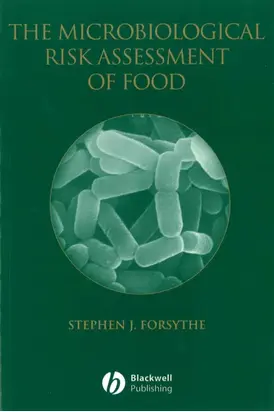
The Microbiological Risk Assessment of Food follows on from the author's successful book The Microbiology of Safe Food and provides a detailed analysis of the subject area including cutting-edge information on: foodborne pathogens in world trade; food safety, control and HACCP; risk analysis; the application of microbiological risk assessment (MRA) and likely future developments in the techniques and applications of MRA. This important book focuses on what is an acceptable level of risk to consumers associated with eating food, on a daily basis, which does contain bacteria. An extremely important addition to the available literature, providing a thorough synthesis that will be an essential purchase for all those involved with issues relating to safe food. Copies of the book should be available to practitioners in food companies and academia, including food microbiologists, food scientists and technologists, to consultants and to all those studying or teaching food microbiology. Personnel in government regulatory and public and environmental health capacities will find much of use within the covers of this book. Copies of the book should also be available in the libraries of all research establishments and university departments where food science, food technology and microbiology are studied and taught. Stephen J. Forsythe is Reader in Microbiology at the Department of Life Sciences, Nottingham Trent University, UK. Cover Photograph: Lactobacillus case Shirota by kind permission and courtesy of Yakult UK Ltd.
Жанр в блоке книги Мукомольное Производство
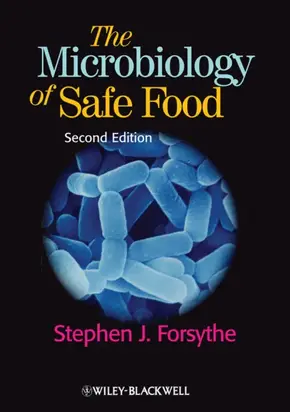
Food production is an increasingly complex and global enterprise, and public awareness of poisoning outbreaks is higher than ever. This makes it vital that companies in the food chain maintain scrupulous standards of hygiene and are able to assure customers of the safety of their products. This book reviews the production of food and the level of microorganisms that humans ingest, covering both food pathogens and food spoilage organisms. The comprehensive contents include: the dominant foodborne microorganisms; the means of their detection; microbiological criteria and sampling plans; the setting of microbial limits for end-product testing; predictive microbiology; the role of HACCP; the setting of Food Safety Objectives; relevant international regulations and legislation. This updated and expanded second edition contains much important new information on emerging microbiological issues of concern in food safety, including: microbiological risk assessment; bacterial genomics and bioinformatics; detergents and disinfectants, and the importance of hygiene practice personnel. The book is essential reading for all those studying food science, technology and food microbiology. It is also a valuable resource for government and food company regulatory personnel, quality control officers, public health inspectors, environmental health officers, food scientists, technologists and microbiologists. Web-based sources of information and other supporting materials for this book can be found at www.wiley.com/go/forsythe

10 Количество книг
0 Количество книг
2 Количество книг
