

Сборники 280 Книги




Жанр в блоке книги Современная Русская Литература
Сборник рассказов начинающего беллетриста Ивана Шишлянникова (Громова). В 2020 году он был номинирован на премию "писатель года 2020" в разделе "дебют". Рассказы сборника пропитаны атмосферой гротеска и безысходности. Герои пытаются пробраться сквозь пелену окружающего мира, пытаясь обрести высший смысл. Но выходит ли это у них? Каждый отзыв читателей поспособствует развитию творческого пути начинающего автора.
Жанр в блоке книги Современная Зарубежная Литература
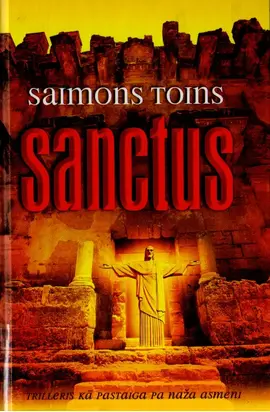
Saimons Toins
Sanctus
KONTINENTS RĪGA
Senās citadeles dziļajās klintīs Sanctus brālība rūpīgi sargā svēto Sakramentu. Asinīs un melos izlolotā pasaules senākā sazvērestība ir apdraudēta…
Saimons Toins radījis izcilu nākamās paaudzes trilleri. "Sanctus" ir sazvērestības un spriedzes romāns, kuram nav līdzinieku. Autors satricina literatūras pasauli ar fantastiskiem novērojumiem, savdabīgu faktu atspoguļojumu un pārsteidzoši oriģinālu valodu.
Spraigi savīts sižets, vēsturiski paradoksi, sarkastiski absurdi un nežēlīga atklātība rosina lasītāju piedalīties baisā piedzīvojumā cauri gadsimtiem senai klintīs cirstai pilsētai un cilvēka dvēseles dzīļu tumšākajām dziņām. Valdzinošs un bīstami straujš, šis stāsts brāžas cauri lasītāja apziņai, atstājot ilgstošu pēcgaršu. Saimona Toina romāns šobrīd ir iztulkots 23 valodās un izdots 40 valstīs, un drīzumā tiks arī ekranizēts.
Šī grāmata ir kā pastaiga pa naža asmeni… Patiesi lielisks romāns. Uztraucošs un aizraujošs, tas paātrina lasītāja pulsu. Noteikti jāizlasa!
Books Glorious Books
Saturiski bagātīgs sazvērestību trilleris. Spraigi un intriģējoši notikumi… senā Ruinas citadele slēpj daudz stāstu, kas gaida ielaužamies dienasgaismu.
The Sun
Eleganti uzrakstīts, nerimstošā tempā lasāms romāns, kurā jaušams kinematogrāfa asais pasaules redzējums un vienreizēja humora izjūta.
Daily Telegraph
Elpu aizraujošs romāna saturs un ideja… Grāmatu nav iespējams aizvērt līdz pat tās finālam.
Mirror
simon TOYne
sanctus
Saimona Toina romāna "Sanctus" publicēšanas tiesības pieder "Apgādam "Kontinents""
No angļu valodas tulkojis Uldis Šēns Vāka dizains Dairis Hofmanis Foto Corbis/Scanpix
© Tulkojums latviešu valodā, mākslinieciskais noformējums, ISBN 978-9984-35-573-3 "Apgāds "Kontinents""
Veltīts K. Par piedzīvojumiem
Noskannējis grāmatu un failu izveidojis Imants Ločmelis
Жанр в блоке книги Современная Зарубежная Литература
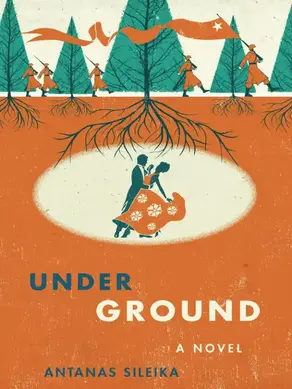
A tragic love triangle set in a forgotten place during an invisible war.
Inspired by true events, “Underground” tells the story of a troubled romance between Lukas and Elena, two members of the underground Lithuanian resistance movement in mid-1940s.
After shooting up a room full of Soviet government workers during their engagement party, Lukas and Elena become folk heroes to their political cause, but are forced deep into hiding in order to escape punishment for their role in the massacre.
When their secret bunker is discovered, Lukas is nearly captured. Believing his beloved Elena has been killed in the raid, Lukas is forced to flee the country and the increasingly hopeless resistance movement that he has defended over the years.
Finding himself stranded in Paris, Lukas tries in vain to generate some political interest in the plight of his country. Settling quietly in Europe, Lukas falls in love again, remarries, and begins his life anew. When an unexpected crisis arises back home, the tranquility of Lukas’ new life is shattered. Stealing back into his former country, Lukas embarks on the most important fight of his life.
Based on true historical revelations and fragments of the author’s family history, “Underground” is an engaging literary thriller and love story that explores the narrow range of options open to men and women in desperate situations, when history crashes into personal desires and private life.

Жанр в блоке книги Современные Любовные Романы

Жанр в блоке книги Историческая Литература
"What Robert Graves did for Claudius, Conn Iggulden now does for the most famous Roman Emperor of them all. This novel is a vibrant blending of historical fact and fiction. If only all history lessons could be this thrilling." -William Bernhardt
" The Gates of Rome is a big, sumptuous feast of a novel that's so vividly written I could hear the clang of swords and smell the scent of spice in the air. It had me enthralled from start to finish." -Tess Gerritsen
"An absorbing portrait of ancient Roman life and history, well written and full of suspense." – Kirkus Reviews
The astonishing life of Julius Caesar is recreated in a magnificent new novel that brilliantly interweaves history and adventure. An epic tale of ambition and rivalry, bravery and betrayal, from an outstanding new voice in historical fiction – already a top ten bestseller in hardback. From the spectacle of gladiatorial combat to the intrigue of the Senate, from the foreign wars that created an empire to the betrayals that almost tore it apart, the Emperor novels tell the remarkable story of the man who would become the greatest Roman of them all: Julius Caesar. Brilliantly interweaving history and adventure, The Gates of Rome introduces an ambitious young man facing his first great test. In the city of Rome, a titanic power struggle is about to shake the Republic to its core. Citizen will fight citizen in a bloody conflict – and Julius Caesar will be in the thick of the action.

Жанр в блоке книги Современная Зарубежная Литература
During the violence and chaos of the Lebanese Civil War, a car pulls up to a roadblock on a narrow side street in Beirut. After a brief and confused exchange, several rounds of bullets are fired into the car, killing everyone inside except for a small boy of four or five. The boy is taken to the hospital, adopted by one of the assassins, and raised in a new family. “My father used to kidnap and kill people …” begins this haunting tale of a child who was raised by the murderer of his real family. The narrator of doesn’t shy away from the horrible truth of his murderous father — instead he confronts his troubled upbringing and seeks to understand the distortions and complexities of his memories, his war-torn country, and the quiet war that rages inside of him.

Жанр в блоке книги Современная Русская Литература
На страницах романа "Фантазм" читатели встретятся с Егором Соколовым и странной девушкой Ольгой. Они погрузятся в историю их первой любви, разворачивающейся в таких далёких уже 70-х – любви наивной и прекрасной. И все это на фоне событий 1945 года. Конец войны, парад Победы и… расстрел Сталина и Берии, избрание генсеком ещё молодого Леонида Брежнева с внедренной матрицей из будущего. А ещё читатели встретятся с совсем юными Фиделем Кастро и Эрнесто (пока ещё не Че) Геварой, с дочерью президента США Гарри Трумэна Маргарет (получившей матрицу сознания русской разведчицы из будущего) и многими другими знакомцами и незнакомцами. Невероятная интрига закручивается в этот раз! Читатели погружаются в тайны познания того, кто мы, зачем мы и что есть реальность, нас окружающая. Роман не даёт ответы на эти вопросы, но, надеюсь, даёт пищу для размышлений. А начинается всё с выстрела снайпера в августе 1941 года, убравшего с мировой сцены Никиту Хрущева. Странного такого снайпера… В романе две сюжетные линии (1978-79 и 1945-й), несколько реальностей, и они постоянно пересекаются друг с другом. Поэтому, судить о том, какая из линий главная придется каждому читателю самостоятельно. Роман "Фантазм" является заключительной книгой трилогии "Творец реальностей" (две первые книги – "Перестройка 2.0" и "Метанойя"), но читается как самостоятельное произведение.
Жанр в блоке книги Историческая Литература
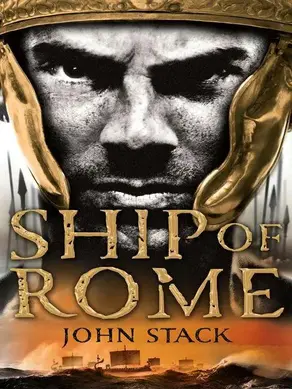
Against a backdrop of the clash of the Roman and Carthaginian empires, the battle for sovereignty takes place on the high seas
Atticus, captain of one of the ships of Rome's small, coastal fleet, is from a Greek fishing family. Septimus, legionary commander, reluctantly ordered aboard ship, is from Rome, born into a traditionally army family. It could never be an easy alliance. But the arrival of a hostile fleet, larger, far more skilful and more powerful than any Atticus has encountered before, forces them to act together. So Atticus, one of Rome's few experienced sailors, finds himself propelled into the middle of a political struggle that is completely foreign to him. Rome need to build a navy fast but the obstacles are many; political animosities, legions adamant that they will only use their traditional methods; Roman prejudice even from friends, that all those not born in Rome are inferior citizens.The enemy are first class, experienced and determined to control...

Жанр в блоке книги Биографии И Мемуары
A shy manifesto, an impractical handbook, the true story of a fabulist, an entire life in parts and pieces, is the first sustained work of personal writing from Pulitzer Prize-winning author Michael Chabon. In these insightful, provocative, slyly interlinked essays, one of our most brilliant and humane writers addresses with his characteristic warmth and lyric wit the all-important question: What does it mean to be a man today?
Жанр в блоке книги Сборники
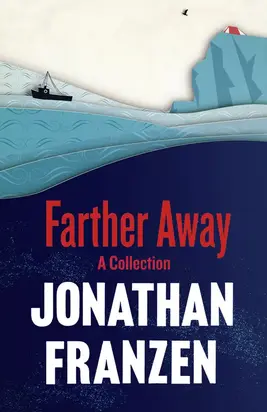
Jonathan Franzen’s was the runaway most-discussed novel of 2010, an ambitious and searching engagement with life in America in the twenty-first century. In , Sam Tanenhaus proclaimed it “a masterpiece of American fiction” and lauded its illumination, “through the steady radiance of its author’s profound moral intelligence, [of] the world we thought we knew.”
In , which gathers together essays and speeches written mostly in the past five years, Franzen returns with renewed vigor to the themes, both human and literary, that have long preoccupied him. Whether recounting his violent encounter with bird poachers in Cyprus, examining his mixed feelings about the suicide of his friend and rival David Foster Wallace, or offering a moving and witty take on the ways that technology has changed how people express their love, these pieces deliver on Franzen’s implicit promise to conceal nothing. On a trip to China to see first-hand the environmental devastation there, he doesn’t omit mention of his excitement and awe at the pace of China’s economic development; the trip becomes a journey out of his own prejudice and moral condemnation. Taken together, these essays trace the progress of unique and mature mind wrestling with itself, with literature, and with some of the most important issues of our day. is remarkable, provocative, and necessary.
Praise for :
“[Franzen’s] new collection takes the reader on a closely guided tour of his private concerns… the miscorrelation between merit and fame, the breakdown of a marriage, birds, the waning relevance of the novel in popular culture… Franzen rewards the reader with extended meditations on common phenomena we might otherwise consider unremarkable… the observations [he] makes regarding subjects like cell phone etiquette, the ever-evolving face of modern love and technology are trenchant… With , Mr. Franzen demonstrates his ability to dissect the kinds of quotidian concerns that so often evade scrutiny… It may be eight years before he releases his next shimmering novel; in the meantime Mr. Franzen seems intent on keeping the conversation going. at least achieves that.”
—Alex Fankuchen,
“Throughout the book, Franzen suggests that storytelling is a way to interpret and relieve our collective suffering — a vehicle for social connection — and that apathy can be challenged with Molotov cocktails of ‘bottomless empathy, born out of the heart’s revelation that another person is every bit as real as you are’… Combining personal history with cultural events and the minutiae of daily life, Franzen evokes Joan Didion’s tone of rigorous self-examination, and [David Foster] Wallace’s wit and philosophical prowess. Whether he is writing about technologies’ assault on sincerity or analyzing Alice Munro’s short stories, what emerges are works of literary theory and cultural critique that are ambitious, brooding and charmingly funny… The essays in are rigorous, artful devotions navigating morally complex topics. At the heart of this collection are the ways ‘engagement with something you love compels you to face up to who you really are.’ Collectively, they are a source of authenticity and refuge — a way out of loneliness.”
—Kathryn Savage,
“Together, the short pieces take a deep, often tangled look at the relationship between writing and self… [Franzen’s] persistent questioning rings genuine and honest… Part of the joy in reading these essays is in their variety: Franzen has thrown together a buffet of essays, speeches, lectures, bits of memoir and journalism, and a few oddballs, like an extended fictional interview with New York State and her entourage (publicist, attorney, historian, geologist)… Each finds a home in the collection because, in the end, each informs Franzen’s capabilities as a writer… The material all fits together as an eclectic mix of Franzen’s fiction-style prose — that plain language rendered rich by its novel construction and telling detail — and a candid, earnest investigation of what makes for great writing. It’s inspiring on two levels: the quality of the writing, and the content about the quality of writing… a collection of thought-provoking, potent essays that rouse a renewed desire to read good books in a culture that is, as Franzen says, marked by its ‘saturation in entertainment.’ The texts are both a testament to and an illustration of what attracts people to books — a delicate play between writer, text, character, and reader that prompts excellent questions and provides surprising answers.”
—Emily Withrow,
“ is, from beginning to end, a celebration of love: what provokes it and what endangers it, what joys it brings and what terrors it produces… takes its title from the New Yorker essay in which Franzen first discussed the suicide of his friend the novelist David Foster Wallace… art elegy, part literary criticism, part travelogue… “Farther Away” is one of the strangest, most powerful documents of mourning that I’ve ever read. reveals a kinder Franzen, a writer who has no truck with sentimentality but is a clear-eyed defender of sentiment. At one point, Franzen lists the many things that he is against: ‘weak narrative, overly lyrical prose, solipsism, self-indulgence…’ The list goes on. But is such a wonderful collection because of the things Franzen is for — the ennobling effects of love and imaginative experience, our need to escape from the isolated self and journey farther away, toward other places and other people. Like the best fiction, charts a way out of loneliness.”
—Anthony Domestico,
“Franzen captivates readers whether ranting about such everyday concerns as bad cellphone manners or lamenting the diminishing relevance of the novel or examining the talented, troubled life and suicide of his close friend and literary brother, David Foster Wallace… At his best, Franzen exposes himself. He does so often and unapologetically, with understated humor, level-headed alienation and rare insight, typically at the nexus of self-analysis and self-indulgence.”
—Don Oldenburg,
“[Franzen’s] essays are riddled with aphorisms (‘One half of a passion is obsession, the other half is love’) and, surprisingly, humour (theory and sex prove incompatible bedfellows when his wife-to-be declares: ‘You can’t deconstruct and undress at the same time’). A multifaceted and revealing collection, actually brings the reader closer to the author.”
—
“[Franzen is] after something more elusive: identity, we might call it, which he understands to be not fixed but fluid, a set of reactions or impressions in evolution, a constant variation on the self. ‘[W]hat this means, in practice,’ he notes in the text of a lecture called ‘On Autobiographical Fiction,’ ‘is that you have to become a different person to write the next book. The person you already are already wrote the best book you could. There’s no way to move forward without changing yourself. Without, in other words, working on the story of your own life. Which is to say: your autobiography.’
This is an essential point, the heart of everything, made all the more so because Franzen’s fiction is not autobiographical in any overt way. And yet, what else could it be when literature is, must be, the result of ‘a personal struggle, a direct and total engagement with the author's story of his or her own life’? Such an intention runs throughout these essays, whether critical (takes on Paula Fox, Christina Snead, Donald Antrim, Dostoevsky) or experiential (an account of bird preservation efforts in the Mediterranean, a tirade about the effect of cellphones on urban life)… On the surface, these pieces have nothing to do with each other, yet what is either one about if not authenticity? Again and again, that's the question Franzen raises in this collection… What Franzen is getting at is the concept of being ‘islanded,’ the notion that — no matter what — we are on our own, all the time… In that sense, all of it — from the kid in that car to the teenager wandering New York to the birder on Robinson Crusoe's island — is of a piece with David Foster Wallace and even Neil Armstrong: isolated dots of consciousness in a capricious universe, trying to find a point of real connection before time runs out.”
—David Ulin,
“This book of essays by Jonathan Franzen covers various subjects but the unifying theme is truthfulness. He stands for lucidity of expression, which is not the same thing as ease. The lesson of Franzen is that honesty and excellence come from blood, sweat and tears… This is Franzen at his finest… Narcissism must never be confused with love. This is Franzen’s distilled wisdom… He is unflinching about the price of empathy… This is a book for those interested in how to live as well as how to write.”
—Sarah Sands,
“, Jonathan Franzen’s recent collection of essays, proves to be a deeply personal portrait of a contemporary writer at work… Many of ’s features explore creativity and craftsmanship: their tensions and intersections and how those forces can be used together to create a beautiful object… The book, while full of intellect, is also full of puns, anecdotes, and self-effacing jokes about being a cranky, old-fashioned Luddite. In other words, Jonathan Franzen knows what some people think about him, and he couldn’t care less, an attitude in keeping with his public personality. Because, despite the fiery exchanges that can erupt around him, Franzen usually appears untouched by the conflagration, reacting with detached humor or insightful observation… The most personal moments in come in the essays about Franzen’s passions… These essays have sentiment but also clear-eyed pragmatism. Franzen relates the situations he encounters with the objective eye of a scientist, even though you can clearly feel his emotion just under the surface… With , Jonathan Franzen has proved once again why his intelligence, empathy, and humor have earned him widespread acclaim — and also why, whether you love him or hate him, we need his voice as a catalyst for literary conversations in the 21st century.”
—Ben Pfeiffer,
“Ultimately, is a meditation on the obscure other half of a world right in front of our faces — the private horror of a public figure struggling with depression, the unspoken loneliness of an individual living in a world of people perpetually turned off because their devices are turned on, the perils of a bird i…
Jonathan Franzen

Жанр в блоке книги Историческая Литература
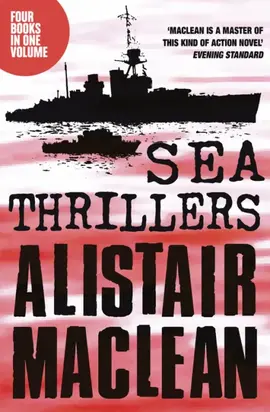
The Guns of Navarone and its three sequels, in which the same characters are sent on other wartime missions, together in one volume for the first time to mark the 50th anniversary of the original book.
THE GUNS OF NAVARONE
Mallory, Miller and Andrea are united into a lethally effective team. Their mission: to silence the impregnable guns set in the tall cliffs of Navarone. On their success or failure rests one of the most critical offensives of the Second World War.
FORCE 10 FROM NAVARONE
Almost before the last echoes of the famous guns have died away, the three Navarone heroes are parachuted into war-torn Yugoslavia to rescue a division of partisans and fulfil a secret mission, so deadly that it must be hidden even from their own allies.
STORM FORCE FROM NAVARONE
The surviving commandos are sent on a perilous journey through the Pyrenees to disable the greatest threat to the impending D-Day landings: the 'Werwolf' U-boats. But their Basque guides declare it mission impossible — D-Day is less than six days away.
THUNDERBOLT FROM NAVARONE
Summoned back to Naval HQ, Mallory, Miller and Andrea are given a final assignment: to reconnoitre the Greek island of Kynthos and destroy the German facilities developing the lethal V3 weapon. A rocket expert is to accompany them — but can he be trusted not to turn the operation into a suicide mission?

Жанр в блоке книги Домашние Животные

Жанр в блоке книги Биографии И Мемуары
Сборник стихотворений («сборная солянка и винегрет») из семи главных ингредиентов: «Жизнь» (все о ней; по ней и для нее). «Тебе» (о любви; о ней от мужского и женского лица, к своему и не своему полу). «Мотивация» (побуждение к действию; как себя, так и других). «Дружба» (о ней; от мужского и женского лица, меж своим и не своим полом). «4 строчки» (короткие четверостишия; в которых качество превалирует над количеством). «Тен» (второе «я»; темное, как «тень»). «Я буду помнить» (ностальгия; по прошлому, настоящему и будущему). Содержит нецензурную брань.

Жанр в блоке книги Современная Зарубежная Литература

Жанр в блоке книги Современная Зарубежная Литература
Жанр в блоке книги Классическая Проза

Жанр в блоке книги Современная Зарубежная Литература
Жанр в блоке книги Современная Зарубежная Литература

Жанр в блоке книги Современная Зарубежная Литература

Жанр в блоке книги Христианство
Жанр в блоке книги Зарубежная Образовательная Литература
Жанр в блоке книги Классическая Проза
Жанр в блоке книги Классическая Проза

Жанр в блоке книги Классическая Проза
