

Fink Johannes Karl Скачать все книги 10 Количество книг



Жанр в блоке книги Химия Полимеров
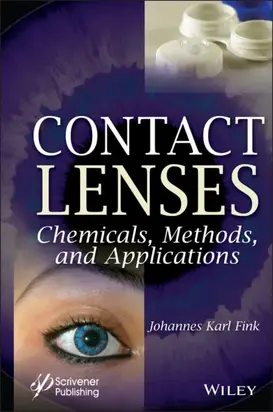
CONTACT LENSES The book focuses on the chemistry and properties of contact lenses and their fabrication methods. With research & development continuing in the field, this comprehensive book takes a look at the last 10 years in terms of new materials, chemistry methods, applications, and fabrication techniques. New applications include drug delivery, lenses for augmented reality, electronic contact lenses, and wearable smart contact lenses. In addition, the book discusses simulation methods for contact lenses, such as ocular topography parameters, gas permeable lenses, and computerized videokeratography. On the fabrication front, several common fabrication methods for contact lenses are detailed, including the computer-aided contact lens design, methods for the fabrication of colored contact lenses, and the fabrication of decentered contact lenses. Special processes are reviewed, including, mold processes, reactive ion etching, electrospinning, and others. Also discussed are the properties of contact lenses and methods for the measurement. Many of the standard methods are discussed, but other issues are taken up too including a discussion on the assessment of cytotoxic effects, the Schirmer tear test, and others. The book concludes with a chapter detailing the possible medical problems related to contact lenses and how to avoid them. These include eye diseases, allergic and toxic reactions, as well as methods for medical treatment such as disinfection agents. Audience The book will be used by chemists, polymer scientists, ophthalmologists, engineers in the contact lens industry as well as polymer industries.
Жанр в блоке книги Материаловедение
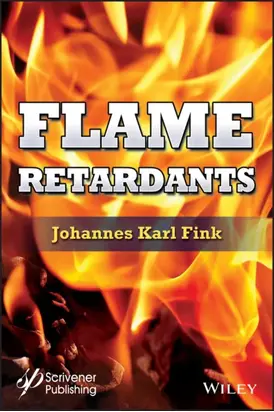
This book focuses on the chemistry and applications of flame retardants for polymers and other materials. It starts with a description and types of flame retardants, as well as their properties and chemical structures, to include chlorine- and bromine-containing<br style="background-color: transparent; box-sizing: border-box; color: #455464; font-family: « sourcesanspro»,"helvetica neue","helvetica",arial,sans-serif; font-size: 12px; font-style: normal; font-variant: normal; font-weight: 400; letter-spacing: normal; orphans: 2; text-align: left; text-decoration: none; text-indent: 0px; text-transform: none; -webkit-text-stroke-width: 0px; white-space: normal; word-spacing: 0px;" /><br style="background-color: transparent; box-sizing: border-box; color: #455464; font-family: « sourcesanspro»,"helvetica neue","helvetica",arial,sans-serif; font-size: 12px; font-style: normal; font-variant: normal; font-weight: 400; letter-spacing: normal; orphans: 2; text-align: left; text-decoration: none; text-indent: 0px; text-transform: none; -webkit-text-stroke-width: 0px; white-space: normal; word-spacing: 0px;" />flame retardants, phosphorus-based flame retardants, nitrogen-based flame retardants, and silicones. Inorganic materials that serve as flame retardants, such as boron-based additives, graphenes, and others are discussed in detail.<br style="background-color: transparent; box-sizing: border-box; color: #455464; font-family: « sourcesanspro»,"helvetica neue","helvetica",arial,sans-serif; font-size: 12px; font-style: normal; font-variant: normal; font-weight: 400; letter-spacing: normal; orphans: 2; text-align: left; text-decoration: none; text-indent: 0px; text-transform: none; -webkit-text-stroke-width: 0px; white-space: normal; word-spacing: 0px;" /><br style="background-color: transparent; box-sizing: border-box; color: #455464; font-family: « sourcesanspro»,"helvetica neue","helvetica",arial,sans-serif; font-size: 12px; font-style: normal; font-variant: normal; font-weight: 400; letter-spacing: normal; orphans: 2; text-align: left; text-decoration: none; text-indent: 0px; text-transform: none; -webkit-text-stroke-width: 0px; white-space: normal; word-spacing: 0px;" />In addition, the following subjects are discussed in detail:<br style="background-color: transparent; box-sizing: border-box; color: #455464; font-family: « sourcesanspro»,"helvetica neue","helvetica",arial,sans-serif; font-size: 12px; font-style: normal; font-variant: normal; font-weight: 400; letter-spacing: normal; orphans: 2; text-align: left; text-decoration: none; text-indent: 0px; text-transform: none; -webkit-text-stroke-width: 0px; white-space: normal; word-spacing: 0px;" /><br style="background-color: transparent; box-sizing: border-box; color: #455464; font-family: « sourcesanspro»,"helvetica neue","helvetica",arial,sans-serif; font-size: 12px; font-style: normal; font-variant: normal; font-weight: 400; letter-spacing: normal; orphans: 2; text-align: left; text-decoration: none; text-indent: 0px; text-transform: none; -webkit-text-stroke-width: 0px; white-space: normal; word-spacing: 0px;" /> Flame retardant polymers<br style="background-color: transparent; box-sizing: border-box; color: #455464; font-family: « sourcesanspro»,"helvetica neue","helvetica",arial,sans-serif; font-size: 12px; font-style: normal; font-variant: normal; font-weight: 400; letter-spacing: normal; orphans: 2; text-align: left; text-decoration: none; text-indent: 0px; text-transform: none; -webkit-text-stroke-width: 0px; white-space: normal; word-spacing: 0px;" /> The mechanisms of flame retardants, such as flam
Жанр в блоке книги Общая Химия
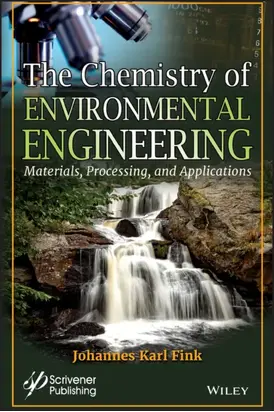
The focus of this book is the chemistry of environmental engineering and its applications, with a special emphasis on the use of polymers in this field. It explores the creation and use of polymers with special properties such as viscoelasticity and interpenetrating networks; examples of which include the creation of polymer-modified asphalt as well as polymers with bacterial adhesion properties. The text contains the issues of polymerization methods, recycling methods, wastewater treatment, types of contaminants, such as microplastics, organic dyes, and pharmaceutical residues. After a detailed overview of polymers in Chapter 1, their special properties are discussed in the following chapter. Among the topics is the importance of polymers to water purification procedures, since their use in the formation of reverse osmosis membranes do not show biofouling. Chapter 3 details special processing methods, such as atom transfer radical polymerization, enzymatic polymerization, plasma treatment, and several other methods, can be used to meet the urgent demands of industrial applications. Chapter 4 addresses the important environmental issue of recycling methods as they relate to several types of materials such as PET bottles, tire rubbers, asphalt compositions, and other engineering resins. And wastewater treatment is detailed in Chapter 5, in which the types of contaminants, such as microplastics, organic dyes and pharmaceutical residues, are described and special methods for their proper removal are detailed along with types of adsorbents, including biosorbents. Still another important issue for environmental engineering chemistry is pesticides. Chapter 6 is a thorough description of the development and fabrication of special sensors for the detection of certain pesticides. A detailed presentation of the electrical uses of polymer-based composites is given in Chapter 7, which include photovoltaic materials, solar cells, energy storage and dielectric applications, light-emitting polymers, and fast-charging batteries. And recent issues relating to food engineering, such as food ingredient tracing, protein engineering, biosensors and electronic tongues, are presented in Chapter 8. Finally, polymers used for medical applications are described in Chapter 9. These applications include drug delivery, tissue engineering, porous coatings and also the special methods used to fabricate such materials.

Жанр в блоке книги Органическая Химия
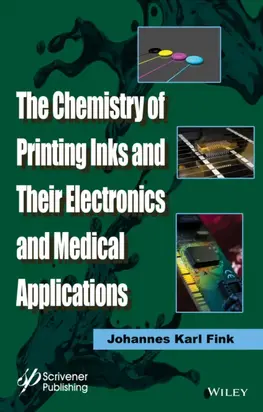
This book focuses on the chemistry of inkjet printing inks, as well to special applications of these materials. As is well-documented, this issue has literallyexploded in the literature in particular in the patent literature. After an introductory section to the general aspects of the field, the types and uses of inkjet printing inks are summarized followed by an overview on the testing methods. Special compounds used as additives dyes, and pigments in inkjet printing inks are documented. The applications to the medical field – drug delivery systems, tissue engineering, bioprinting in particular – are detailed. The applications in the electronics industry are also documented such as flexible electronics, integrated circuits, liquid crystal displays, along a description of their special inks. The book incorporates many structures of the organic compounds used for inkjet printing inks as they may not be familiar to the polymer and organic chemists.

Жанр в блоке книги Химия Полимеров
Before the 1970s, most information concerning the conservation and restoration of paintings, wood, and archaeological artefacts were focused on the history of the artefacts, previous attempts of conservation, and the future use of these artefacts. The technical methods of how the restoration and conservation were made were dealt with only very briefly. Today, sophisticated methods of scientific analysis such as DNA are common place, and this encourages conservators and scientists to work together to work out the development of new methods for analysis and conservation of artefacts. This book focuses on the chemicals used for conservation and restoration of various artefacts in artwork and archaeology, as well as special applications of these materials. Also the methods used, both methods for cleaning, conservation and restoration, as well as methods for the analysis of the state of the respective artefacts. Topics include oil paintings, paper conservation, textiles and dyes for them, archaeological wood, fossils, stones, metals and metallic coins, and glasses, including church windows.
Жанр в блоке книги Химия Полимеров
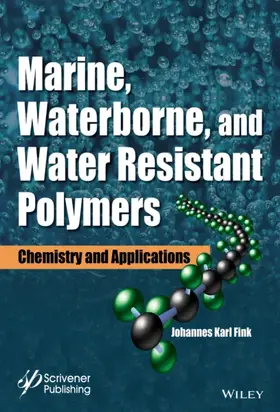
This book focuses on the chemistry of marine polymers, waterborne polymers, and water-resistant polymers, as well as the special applications of these materials. After the chemistry of marine polymers and their types are discussed, the uses of these polymers are detailed, as well as various analytical and characterization testing methods. The book also emphasizes the polymers that are most environmentally-friendly along with their origin and industrial applications. The polymers from these 3 types serve a variety of industries including medical equipment and devices, outdoor coatings and corrosion protection, food packaging, saltwater and freshwater marine purposes, paper, and marine well application, to name just a few.
Жанр в блоке книги Зарубежная Образовательная Литература
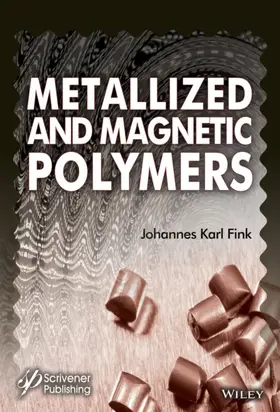
This book focuses on the chemistry of metallized and magnetic polymers, as well as the special applications of these materials. After an introductory section on the general aspects of the field, the types and uses of these polymers are detailed, followed by an overview of the testing methods. The book is divided equally into two parts – metallized polymers and magnetic polymers – and both parts follow the same structure: All methods of fabrication Properties and methods of measurement including standard test methods and interface properties Fields of applications Environmental issues including recycling and biodegradable polymers
Жанр в блоке книги Химия Полимеров
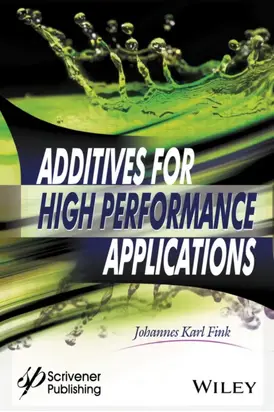
This book focuses on the chemistry of additives for high performance applications and a large number of chemical formulas are displayed in the text. The additives applications include: Analysis and separation techniques, such as high performance liquid chromatography, for example ionic liquids. Additives for electrical applications, such as capacitors, electrokinetic micropumps, lithium-ion batteries, and other battery types. Additives for solar cells for control of the active layer nanomorphology are documented as are additives for electrolyte membranes, fuel cells, such as membrane exchange humidifiers and coolant additives. Medical applications include high performance additives for the manufacture of scaffolds, controlled drug release, and nanofibers. Additives for lubricants including the deposit control, anti-wear additives, fluid loss control additives in drilling applications. Additives for concrete uses such as set retarders, curing accelerators, defoamers, permeability control additives, and corrosion protection additives.

6 Количество книг
2 Количество книг
2 Количество книг
