

Koch Hermann Скачать все книги 2 Количество книг



Жанр в блоке книги Физика
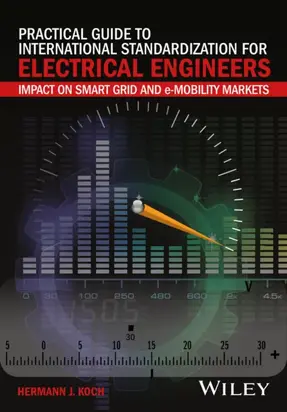
Practical Guide to International Standardization for Electrical Engineering provides a comprehensive guide to the purpose of standards organizations, their relationship to product development and how to use the standardization process for cost-effective new product launch. It covers major standardization organizations in the field of Electrical Engineering offering a general overview of the varying structures of national standardization organizations, their goals and targets. Key questions for standardization are answered giving the reader guidance on how to use national and international standards in the electrical business. When shall the company start to enter standardization? How to evaluate the standardization in relationship to the market success? What are the interactions of innovations and market access? What is the cost of standardization? What are the gains for our experts in standardization? Key features: Provides guidance on how to use national and international standards in the electrical business. Global active standardization bodies featured include IEEE, IEC and CIGRE as well as regional organizations like CENELEC for Europe, SAC for China, DKE for Germany, and ANSI for USA. Case studies demonstrate how standardization affects the business and how it may block or open markets. Explains the multiple connections and influences between the different standardization organizations on international, regional or national levels and regulatory impact to the standardization processes. Two detailed focused case studies, one on Smart Grid and one on Electro-Mobility, show the influence and the work of international standardization. The case studies explain how innovative technical developments are promoted by standards and what are the roles of standardization organizations are. A valuable reference for electrical engineers, designers, developers, test engineers, sales engineers, marketing engineers and users of electrical equipment as well as authorities and business planners to use and work with standards.
Жанр в блоке книги Техническая Литература
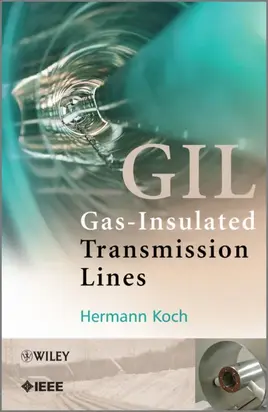
Gas-insulated transmission lines (GIL) is an established high voltage technology used when environmental or structural considerations restrict the use of overhead transmission lines. With an overview on the technical, economical and environmental impact and power system implications of GIL, this guide provides a complete understanding of its physical design, features and advantages. The author illustrates how to evaluate when GIL would be the best solution during the planning sequence and how to apply GIL in the electricity power network. Other key features include: operation and maintenance requirements with information on repair processes, duration, and different monitoring systems enabling the achievement of reliable and safe operation; a wide variety of realized applications from across the world over the past 35 years, illustrating typical fields of application through descriptions of real projects that the author has worked on; and future application possibilities in a smart transmission network, used for solving power transmission problems. This is an essential reference for engineers involved in planning and executing bulk power transmission projects overground, in tunnels or buried. It offers a concise summary of all areas of the subject and is the perfect aid for utility power engineers, consulting engineers and manufacturers worldwide.

6 Количество книг
2 Количество книг
2 Количество книг
