

A. Felix Carroll Скачать все книги 3 Количество книг



Жанр в блоке книги Техническая Литература
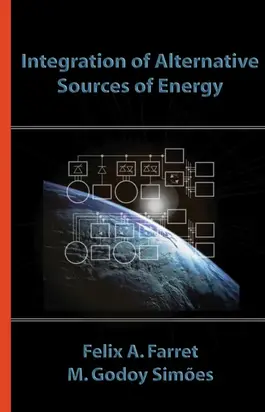
A unique electrical engineering approach to alternative sources of energy Unlike other books that deal with alternative sources of energy from a mechanical point of view, Integration of Alternative Sources of Energy takes an electrical engineering perspective. Moreover, the authors examine the full spectrum of alternative and renewable energy with the goal of developing viable methods of integrating energy sources and storage efficiently. Readers become thoroughly conversant with the principles, possibilities, and limits of alternative and renewable energy. The book begins with a general introduction and then reviews principles of thermodynamics. Next, the authors explore both common and up-and-coming alternative energy sources, including hydro, wind, solar, photovoltaic, thermosolar, fuel cells, and biomass. Following that are discussions of microturbines and induction generators, as well as a special chapter dedicated to energy storage systems. After setting forth the fundamentals, the authors focus on how to integrate the various energy sources for electrical power production. Discussions related to system operation, maintenance, and management, as well as standards for interconnection, are also set forth. Throughout the book, diagrams are provided to demonstrate the electrical operation of all the systems that are presented. In addition, extensive use of examples helps readers better grasp how integration of alternative energy sources can be accomplished. The final chapter gives readers the opportunity to learn about the HOMER Micropower Optimization Model. This computer model, developed by the National Renewable Energy Laboratory (NREL), assists in the design of micropower systems and facilitates comparisons of power generation techniques. Readers can download the software from the NREL Web site. This book is a must-read for engineers, consultants, regulators, and environmentalists involved in energy production and delivery, helping them evaluate alternative energy sources and integrate them into an efficient energy delivery system. It is also a superior textbook for upper-level undergraduates and graduate students.
Жанр в блоке книги Зарубежная Образовательная Литература
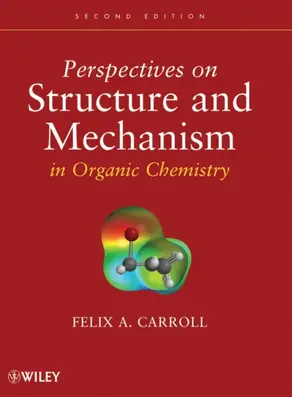
Helps to develop new perspectives and a deeper understanding of organic chemistry Instructors and students alike have praised Perspectives on Structure and Mechanism in Organic Chemistry because it motivates readers to think about organic chemistry in new and exciting ways. Based on the author's first hand classroom experience, the text uses complementary conceptual models to give new perspectives on the structures and reactions of organic compounds. The first five chapters of the text discuss the structure and bonding of stable molecules and reactive intermediates. These are followed by a chapter exploring the methods that organic chemists use to study reaction mechanisms. The remaining chapters examine different types of acid-base, substitution, addition, elimination, pericyclic, and photochemical reactions. This Second Edition has been thoroughly updated and revised to reflect the latest findings in physical organic chemistry. Moreover, this edition features: New references to the latest primary and review literature More study questions to help readers better understand and apply new concepts in organic chemistry Coverage of new topics, including density functional theory, quantum theory of atoms in molecules, Marcus theory, molecular simulations, effect of solvent on organic reactions, asymmetric induction in nucleophilic additions to carbonyl compounds, and dynamic effects on reaction pathways The nearly 400 problems in the text do more than allow students to test their understanding of the concepts presented in each chapter. They also encourage readers to actively review and evaluate the chemical literature and to develop and defend their own ideas. With its emphasis on complementary models and independent problem-solving, this text is ideal for upper-level undergraduate and graduate courses in organic chemistry.
Жанр в блоке книги Зарубежная Образовательная Литература
Helps to develop new perspectives and a deeper understanding of organic chemistry Instructors and students alike have praised Perspectives on Structure and Mechanism in Organic Chemistry because it motivates readers to think about organic chemistry in new and exciting ways. Based on the author's first hand classroom experience, the text uses complementary conceptual models to give new perspectives on the structures and reactions of organic compounds. The first five chapters of the text discuss the structure and bonding of stable molecules and reactive intermediates. These are followed by a chapter exploring the methods that organic chemists use to study reaction mechanisms. The remaining chapters examine different types of acid-base, substitution, addition, elimination, pericyclic, and photochemical reactions. This Second Edition has been thoroughly updated and revised to reflect the latest findings in physical organic chemistry. Moreover, this edition features: New references to the latest primary and review literature More study questions to help readers better understand and apply new concepts in organic chemistry Coverage of new topics, including density functional theory, quantum theory of atoms in molecules, Marcus theory, molecular simulations, effect of solvent on organic reactions, asymmetric induction in nucleophilic additions to carbonyl compounds, and dynamic effects on reaction pathways The nearly 400 problems in the text do more than allow students to test their understanding of the concepts presented in each chapter. They also encourage readers to actively review and evaluate the chemical literature and to develop and defend their own ideas. With its emphasis on complementary models and independent problem-solving, this text is ideal for upper-level undergraduate and graduate courses in organic chemistry.

6 Количество книг
2 Количество книг
2 Количество книг
