

L. David Williams Скачать все книги 6 Количество книг



Жанр в блоке книги Техническая Литература
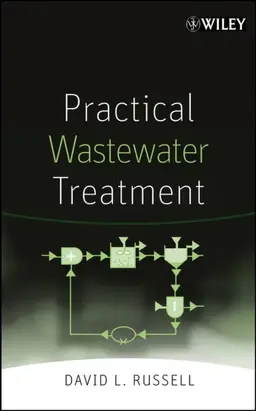
Practical techniques for handling industrial waste and designing treatment facilities Practical Wastewater Treatment is designed as a teaching and training tool for chemical, civil, and environmental engineers. Based on an AIChE training course, developed and taught by the author, this manual equips readers with the skills and knowledge needed to design a wastewater treatment plant and handle various types of industrial wastes. With its emphasis on design issues and practical considerations, the manual enables readers to master treatment techniques for managing a wide range of industrial wastes, including oil, blood and protein, milk, plating, refinery, and phenolic and chemical plant wastes. A key topic presented in the manual is biological modeling for designing wastewater treatment plants. The author demonstrates how these models lead to both more efficient and more economical plants. As a practical training tool, this manual contains a number of features to assist readers in tackling complex, real-world problems, including: * Examples and worked problems throughout the manual demonstrate how various treatment plants and treatment techniques work * Figures and diagrams help readers visualize and understand complex design issues * References as well as links to online resources serve as a gateway to additional information * Practical design hints, stemming from the author's extensive experience, help readers save time and avoid unwanted and expensive pitfalls * Clear and logically organized presentation has been developed and refined based on an AIChE course taught by the author in the United States, Mexico, and Venezuela Whether a novice or experienced practitioner, any engineer who deals with the treatment of industrial waste will find a myriad of practical advice and useful techniques that they can immediately apply to solve problems in wastewater treatment.
Жанр в блоке книги Научно-Популярная Литература
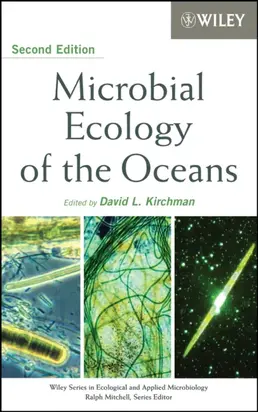
I would strongly recommend it for library purchase and the reading list of advanced students in this field. —Microbiology Today, May 2009 Nearly a decade since its landmark publication, this book has been thoroughly revised in this valuable new edition Like the successful first edition, Microbial Ecology of the Oceans, Second Edition is unique and fills a void in the rapidly growing fields of marine microbiology, microbial ecology, and microbial oceanography. Here, a carefully selected team of international experts explores issues of enduring importance to microbial ecologists, including: Genomes and metagenomes of marine microbes Microbial evolution, as revealed by molecular techniques Microbes in carbon budgets and cycles Viruses and grazers of bacteria Microbes and N cycle reactions in sediments The role of microbes in food web dynamics Biogeochemical cycles in the ocean In addition to drawing on the long history of microbiology, the contributors also include discussions of the latest advances in biological and chemical oceanography to examine the role of microbes and viruses in the oceans. Richly illustrated with black-and-white photographs and drawings, and complemented with a comprehensive list of additional reading for each chapter, this important new edition provides readers with current information in the fields of marine microbiology and microbial ecology. It is designed for students and researchers in biological and chemical oceanography, geochemistry, marine chemistry, freshwater ecology, and general microbiology. It is also appropriate for professionals and advanced students in related fields.
Жанр в блоке книги Зарубежная Образовательная Литература
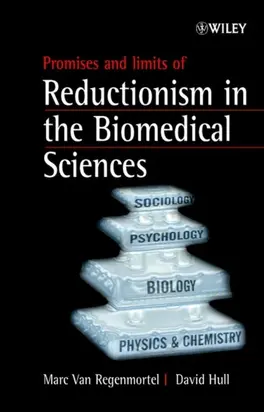
Reductionism as a scientific methodology has been extraordinarily successful in biology. However, recent developments in molecular biology have shown that reductionism is seriously inadequate in dealing with the mind-boggling complexity of integrated biological systems. This title presents an appropriate balance between science and philosophy and covers traditional philosophical treatments of reductionism as well as the benefits and shortcomings of reductionism in particular areas of science. Discussing the issue of reductionism in the practice of medicine it takes into account the holistic and integrative aspects that require the context of the patient in his biological and psychological entirety. The emerging picture is that what first seems like hopeless disagreements turn out to be differences in emphasis. Although genes play an important role in biology, the focus on genetics and genomics has often been misleading. The consensus view leads to pluralism: both reductionst methods and a more integrative approach to biological complexity are required, depending on the questions that are asked. * An even balance of contributions from scientists and philosophers of science – representing a unique interchange between both communities interested in reductionism
Жанр в блоке книги Медицина
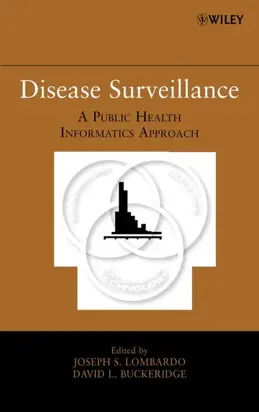
An up-to-date and comprehensive treatment of biosurveillance techniques With the worldwide awareness of bioterrorism and drug-resistant infectious diseases, the need for surveillance systems to accurately detect emerging epidemicsis essential for maintaining global safety. Responding to these issues, Disease Surveillance brings together fifteen eminent researchers in the fields of medicine, epidemiology, biostatistics, and medical informatics to define the necessary elements of an effective disease surveillance program, including research, development, implementation, and operations. The surveillance systems and techniques presented in the text are designed to best utilize modern technology, manage emerging public health threats, and adapt to environmental changes. Following a historical overview detailing the need for disease surveillance systems, the text is divided into the following three parts: Part One sets forth the informatics knowledge needed to implement a disease surveillance system, including a discussion of data sources currently used in syndromic surveillance systems. Part Two provides case studies of modern disease surveillance systems, including cases that highlight implementation and operational difficulties as well as the successes experienced by health departments in the United States, Canada, Europe, and Asia. Part Three addresses practical issues concerning the evaluation of disease surveillance systems and the education of future informatics and disease surveillance practitioners. It also assesses how future technology will shape the field of disease surveillance. This book's multidisciplinary approach is ideal for public health professionals who need to understand all the facets within a disease surveillance program and implement the technology needed to support surveillance activities. An outline of the components needed for a successful disease surveillance system combined with extensive use of case studies makes this book well-suited as a textbook for public health informatics courses

Жанр в блоке книги Зарубежная Деловая Литература
Praise for Reinventing Organization Development «A hard hitting yet hopeful look at a field concerned with renewal that is in need of renewal itself. This book is full of intelligent questions, provocative appraisals, and prescriptions for action that they serve.» -Rosabeth Moss Kanter, chaired professor, Harvard Business School; author, Confidence: How?Winning Streaks and Losing Streaks Begin and End «Wise, invaluable advice that the field and its practitioners should heed if the field of OD is to take its rightful place as an applied behavioral science that can make a difference in the economic and human affairs of organizations.» -Michael Beer, professor emeritus, Harvard Business School; chairman, Center for Organizational Fitness «Few disciplines in decline have subjected themselves to so profound a self-evaluation. It should lead ?to a rejuvenation of the field. Whether or not it does, there is a great deal to learn here about organizations and relevant professional practice.» -Russell Ackoff, professor emeritus, Wharton School, University of Pennsylvania «Two of the leaders of the field of OD have collaborated to present us with a compelling and controversial state of the art.» -Len Schlesinger, vice chairman and chief operating officer, Limited Brands «The book challenges OD consultants to think broadly about their organizational roles and to assert their rightful place in organizations.» -Jean M. Bartunek, Robert A. and Evelyn J. Ferris Chair Professor of Organization Studies, Boston College
Жанр в блоке книги Медицина
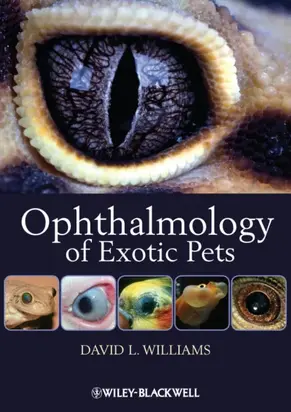
This quick reference handbook covers the diagnosis and treatment of eye disease in a range of exotic companion animal species, including rabbits, rodents, reptiles, birds, amphibians and fish. It clarifies when extrapolation from cat or dog eyes is appropriate, or when new information is needed to ensure that diagnoses and treatments are appropriate for the particular species. Writing in an accessible and down to earth style, the author brings a wealth of personal experience to this specialised subject area. The book contains many ophthalmic photographs of both anatomy in normal eyes and pathology in abnormal cases. It also includes a separate chapter on the common ophthalmic features of exotic pets, discussing what can be learnt from cross-species comparison and another chapter giving a brief history of comparative ophthalmology. Ophthalmology of Exotic Pets is an invaluable aid for veterinary practitioners and students with an interest in exotic pet species, as well as for veterinary ophthalmologists. KEY FEATURES Covers lagomorphs, rodents, reptiles, birds, amphibians and fish Offers clear guidance for species-specific treatment Facilitates extrapolations from the cat or dog to the exotic eye Written in a concise quick reference format Highly illustrated with colour photographs

6 Количество книг
2 Количество книг
2 Количество книг
