

Lyon David Скачать все книги 4 Количество книг



Жанр в блоке книги Социология
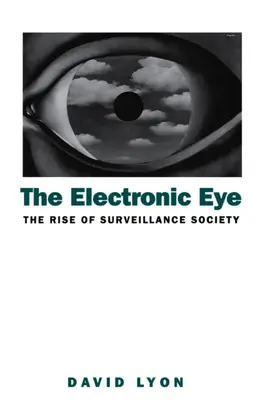
In this book David Lyon analyses the various contexts of surveillance activity and offers a balanced account of the influence electronic information systems have on the social order today.
Жанр в блоке книги Социология
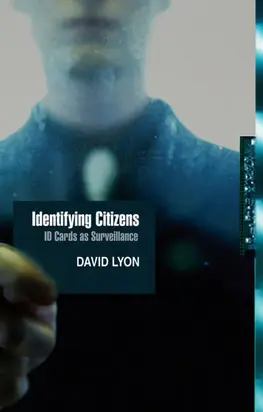
New ID card systems are proliferating around the world. These may use digitized fingerprints or photos, may be contactless, using a scanner, and above all, may rely on computerized registries of personal information. In this timely new contribution, David Lyon argues that such IDs represent a fresh phase in the long-term attempts of modern states to find stable ways of identifying citizens. New ID systems are “new” because they are high-tech. But their newness is also seen crucially in the ways that they contribute to new means of governance. The rise of e-Government and global mobility along with the aftermath of 9/11 and fears of identity theft are propelling the trend towards new ID systems. This is further lubricated by high technology companies seeking lucrative procurements, giving stakes in identification practices to agencies additional to nation-states, particularly technical and commercial ones. While the claims made for new IDs focus on security, efficiency and convenience, each proposal is also controversial. Fears of privacy-loss, limits to liberty, government control, and even of totalitarian tendencies are expressed by critics. This book takes an historical, comparative and sociological look at citizen-identification, and new ID cards in particular. It concludes that their widespread use is both likely and, without some strong safeguards, troublesome, though not necessarily for the reasons most popularly proposed. Arguing that new IDs demand new approaches to identification practices given their potential for undermining trust and contributing to social exclusion, David Lyon provides the clearest overview of this topical area to date.
Жанр в блоке книги Социология
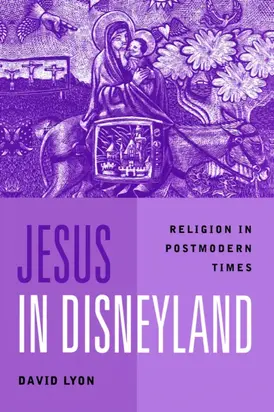
In this lively and accessible study, David Lyon explores the relationship between religion and postmodernity, through the central metaphor of 'Jesus in Disneyland.'
Жанр в блоке книги Социология
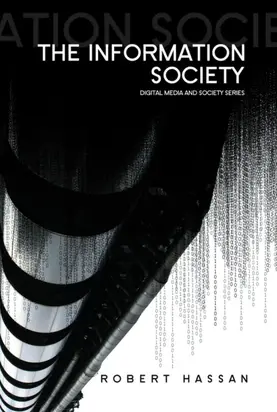
What are we to make of the information society? Many prominent theorists have argued it to be the most profound and comprehensive transformation of economy, culture and politics since the rise of the industrial way of life in the 18th century. Some saw its arrival in a positive light, where the dreams of democracy, of ‘connectivity’ and ‘efficiency’ constituted a break with the old ways. But other thinkers viewed it more in terms of the recurrent nightmare of capitalism, where the processes of exploitation, commodification and alienation are given much freer rein than ever before. In this book Robert Hassan, a prominent theorist in new media and its effects, analyses and critically appraises these positions and forms them into a coherent narrative to illuminate the phenomenon. Surveying the works of major information society theorists from Daniel Bell to Nicholas Negroponte, and from Vincent Mosco to Manuel Castells, The Information Society is an invaluable resource for understanding the nature of the information society—as well as the meta-processes of neoliberal globalisation and the revolution in information technologies that made it possible.

10 Количество книг
2 Количество книг
1 Количество книг
